

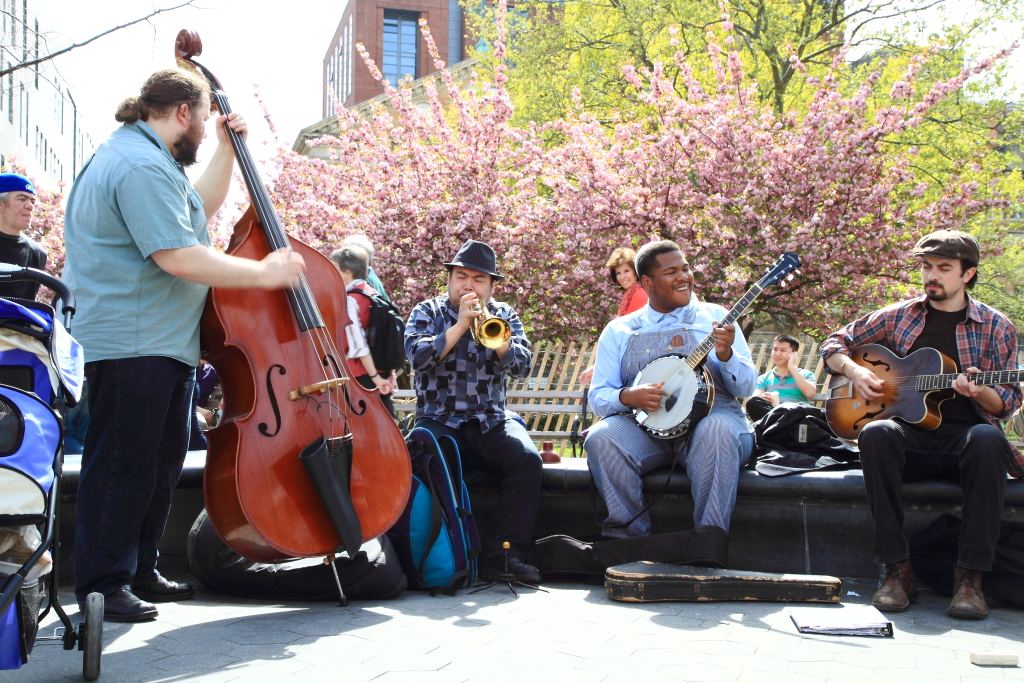
Musicians have always struggled to earn a living from streaming, where millions of plays can add up to very little money, and some are now turning to a different model: selling shares in their future royalties as digital tokens. A singer can offer fans a token that entitles the holder to a small share of the royalties from a song or an album, paid out as the music earns money over time. Fans buy the tokens because they believe in the artist, and because a hit song could pay them back many times over. The artist gets money up front to record, tour and promote, without signing away their rights to a record label. Several platforms now handle the sales, the royalty splits and the payouts, and some early experiments have raised hundreds of thousands of dollars for independent artists who could not get a traditional deal.
What the Evidence Shows
The model raises questions that regulators and the music industry are still working through. A token that promises a share of future income looks very much like an investment, which in many countries means it must follow securities rules, including limits on who can buy it and what must be disclosed. Artists also face the risk that their fans lose money if a song flops, turning supporters into disappointed creditors. Supporters say the risks are manageable, and that the real value is the direct link between artist and audience: a fan who owns a share of a song is more likely to share it, play it and come to the show. If the rules settle, tokenised royalties could give independent musicians a way to fund their work that streaming never offered, and give fans a stake in the music they love. Reporting and analysis from sources such as European Central Bank track the same developments, and specialists following musicians selling token shares in future royalties say the direction is now consistent across independent lines of evidence.
The Wider Context
The wider context is a sector being absorbed, piece by piece, into the regulated financial mainstream. Work on musicians selling token shares in future royalties now happens under licensing regimes, audit expectations and consumer-protection rules that would have been unrecognisable a few years ago. Long-standing participants are divided between relief at the legitimacy and regret for the experiment’s wilder freedoms.
What Happens Next
What happens next for musicians selling token shares in future royalties will be shaped by the interaction of regulation, market appetite and the sector’s own capacity for self-inflicted wounds. The infrastructure is more professional than it was, the rules are clearer, and the remaining question is whether growth can stay boring. Participants with the longest memories say boring would be the real milestone. You can follow related developments in our coverage of crypto.
None of this will be settled by a single announcement, study or product launch. The pattern to watch is accumulation: independent confirmations, honest reporting of failures and steady improvement in the underlying numbers. Readers who follow those signals, rather than the loudest claim of the week, will understand this subject better than most of the commentary surrounding it suggests is possible.
