

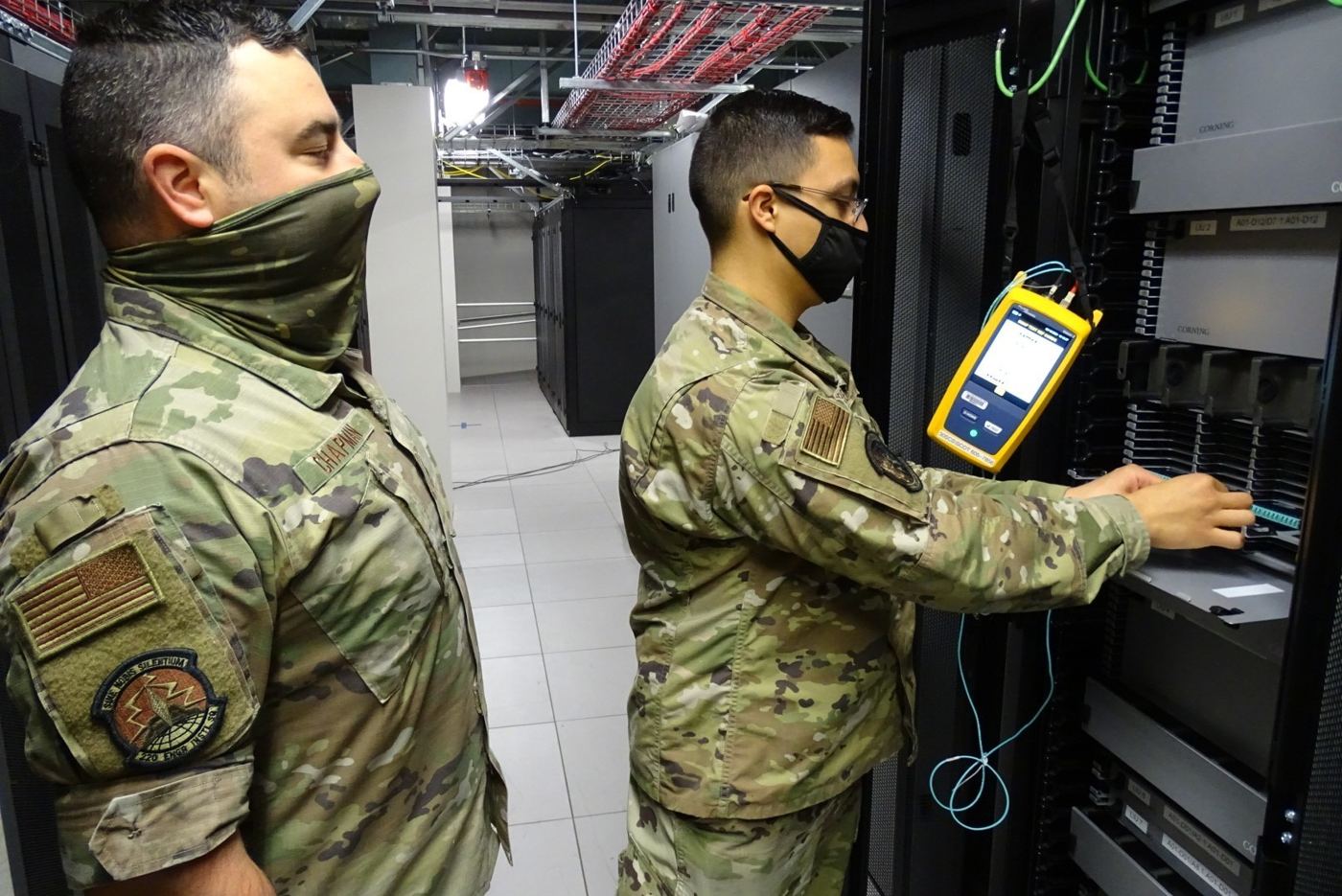
Bringing fiber broadband to a new housing estate is straightforward, but threading it through older apartment blocks means negotiating narrow risers, locked utility cupboards, and decades of undocumented wiring. Installation teams now survey each building first, mapping routes that avoid fire escapes and heritage features while reaching every floor with a discreet connection point. Residents are promised a single short visit per flat, with technicians testing the live service before they leave the building.
What the Evidence Shows
The trickiest moments come when a planned cable route turns out to be blocked, forcing engineers to reroute without drilling through structural walls or disturbing neighbours midday. Building managers receive a floor-by-floor schedule so residents know when access is needed, reducing the failed appointments that once stalled whole blocks for weeks at a time. Once lit, the shared backbone lets households choose competing providers, which advocates say keeps prices keener than a single exclusive deal. Reporting and analysis from sources such as IEEE Spectrum track the same developments, and specialists following apartment fiber optic retrofit say the direction is now consistent across independent lines of evidence.
The Wider Context
Adoption of apartment fiber optic retrofit follows a familiar pattern with an unfamiliar speed. Early users tolerate rough edges in exchange for advantage, mainstream users arrive when the tool disappears into existing workflows, and the market consolidates around whoever made that transition feel effortless. Vendors are racing less on raw performance now than on integration, support and trust.
What Happens Next
The realistic forecast for apartment fiber optic retrofit is steady integration rather than sudden replacement: embedded in products people already use, improving in increments, and regulated in proportion to its reach. The companies and institutions that plan on that basis, training staff and redesigning processes instead of chasing launches, are the ones the adoption data tends to vindicate. You can follow related developments in our coverage of technology.
It is also worth remembering how quickly the picture in this area has changed before. Positions that looked settled a few years ago have been revised as new data arrived, and the same humility is appropriate now. The strongest coverage of this subject, and the most useful advice, tends to come from sources that update their views openly when the facts move, rather than defending an earlier position long after it has stopped fitting the evidence available.
None of this will be settled by a single announcement, study or product launch. The pattern to watch is accumulation: independent confirmations, honest reporting of failures and steady improvement in the underlying numbers. Readers who follow those signals, rather than the loudest claim of the week, will understand this subject better than most of the commentary surrounding it suggests is possible.
There is a practical lesson in all of this for readers deciding what to do today. Start with the verified facts, be wary of anyone promising certainty, and prefer reversible steps while the evidence is still developing. Circumstances differ by country, income and personal situation, so general guidance should always be weighed against your own context before you act on it in any significant or lasting way.
