

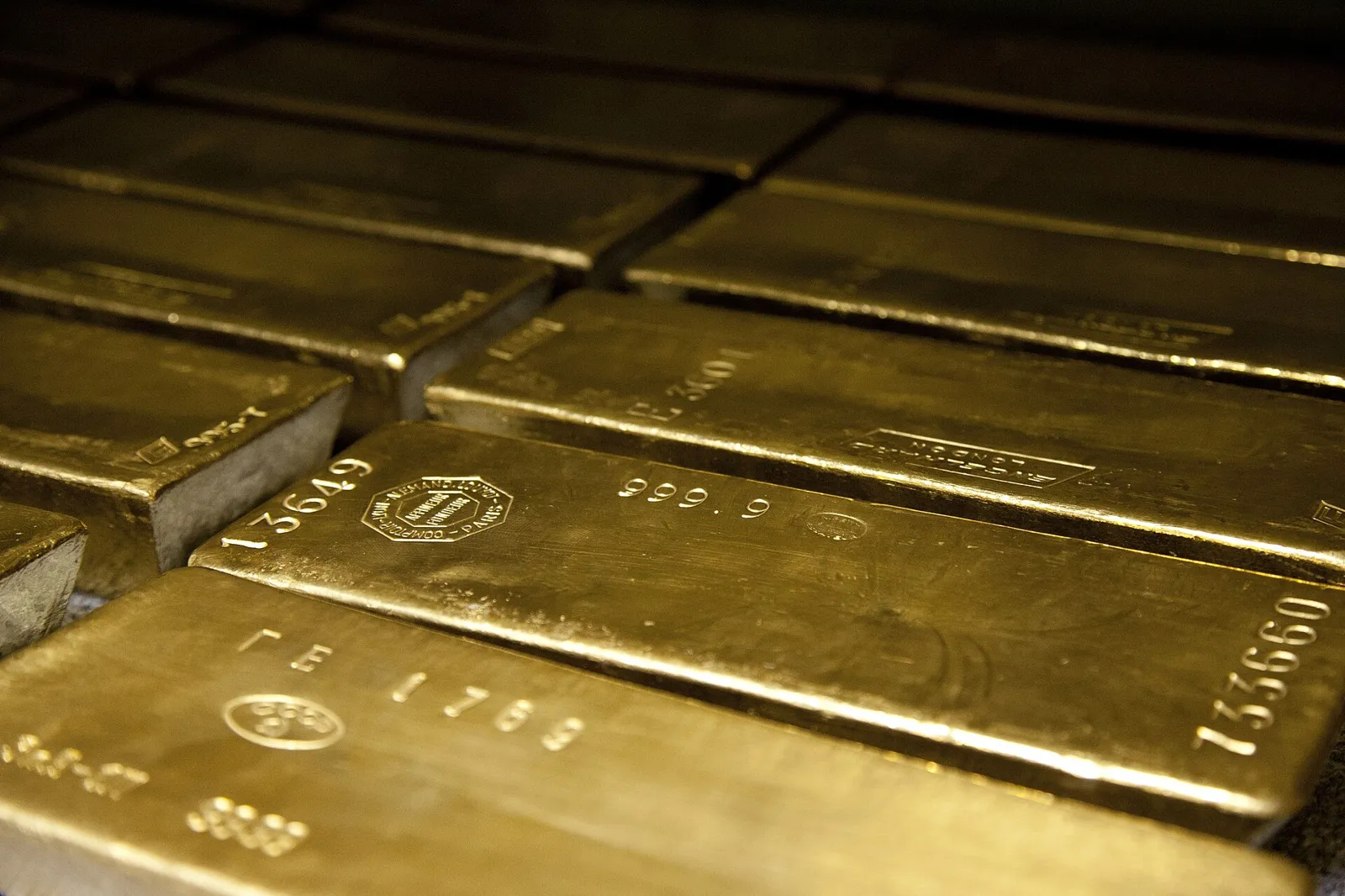
Gold is the asset that refuses to leave the conversation. It pays no interest, distributes no dividend, and its industrial uses could be served by a fraction of what is mined — yet whenever the world feels unstable, buyers return to it with the regularity of a tide. The current moment, heavy with war, debt worries and market vertigo, is no exception. Our business desk weighs the metal’s quiet appeal against the sceptics’ persistent questions.
The case for: nobody’s promise
Gold’s core argument is negative space. A bank deposit is a bank’s promise; a bond is a government’s; a share is a company’s. Gold is nobody’s promise, and therefore cannot default, be frozen by a failing institution, or be printed into dilution. In episodes when promises themselves are what investors doubt, an asset outside the promise system has obvious value.
Supporters add two supporting points. Supply grows slowly and painfully, which disciplines the asset in a way fiat currencies are not. And the holding is ancient and global: from central-bank vaults to wedding jewellery, gold’s acceptance across cultures and centuries is a form of liquidity no newer asset can claim. The World Gold Council documents the persistent official-sector demand that underpins this view.
The sceptics’ first question: what does it cost?
The sceptical case begins with friction. Physical gold carries dealer premiums on purchase, discounts on resale, and costs for secure storage and insurance in between. Funds that track gold reduce those frictions but charge annual fees and reintroduce the financial system the physical buyer sought to exit. Either way, the ‘safe’ asset levies a quiet toll that a savings account does not.
Then there is opportunity cost. Money in gold is money not in productive assets — businesses, bonds, skills, property — that generate income or growth. Over long stretches of calm, that foregone return compounds into a large difference. Gold’s defenders reply, fairly, that insurance always looks wasteful in the years the house does not burn down. The honest question is what probability of fire a given saver faces, and at what premium.
The sceptics’ second question: safe compared to what?
Safety, sceptics note, is doing heavy lifting in gold marketing. The metal’s price can fall sharply and stay down for years; a saver who buys at a moment of peak fear may lock in peak pricing. Gold hedges some risks superbly — currency crises, financial-system stress — and others barely at all. It does not hedge a personal emergency, which is what most household ‘safety’ money is actually for; that job belongs to boring, insured, instantly accessible cash.
Coverage on outlets such as BBC Business treats surging gold demand as a barometer of anxiety, which cuts both ways: the metal rises when people are frightened, and frightened people are not always the best judges of price.
How the forms compare, in one view
For readers weighing the practical options: jewellery is consumption first and investment a distant second, thanks to markups and resale discounts. Coins and small bars from reputable dealers are the purist’s route — full independence, real friction, and a storage problem that is yours alone. Exchange-traded products and allocated accounts trade at tight spreads and sleep in a vault you will never visit, at the cost of fees and a counterparty. Digital gold products from fintech apps are convenient and vary widely in what actually backs them, which makes reading the terms the entire game. The metal is the same in every row of that table; the costs, risks and compromises are entirely different — which is why ‘buy gold’ is the beginning of a decision, not the decision itself.
A measured place in the drawer
The balanced conclusion is unglamorous. For many savers, a modest gold allocation — bought in a low-friction form, sized as insurance rather than as a bet, and held through headlines — is a defensible piece of diversification. For most, it should sit behind the unglamorous essentials: emergency cash, debt control and long-term productive investment.
Gold’s appeal in noisy times is real, and so is the bill it presents. The savers who do best by it tend to be those who decided its role in calm times, in percentages rather than in panic — treating the metal neither as a relic nor as a religion, but as one tool among several for sleeping at night.
